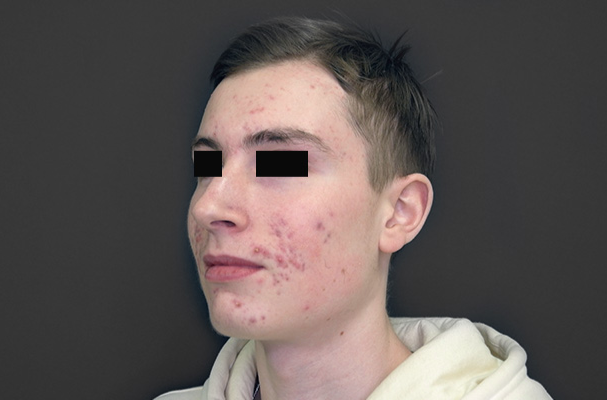
Acne is one of the most common skin conditions affecting people of all ages, particularly teenagers and young adults. It can range from mild blackheads and whiteheads to painful cysts and nodules that can leave lasting scars. Fortunately, modern skincare and medical treatments offer a variety of options to manage acne effectively, helping individuals regain clear, healthy skin.
What Causes Acne?
Acne treatment develops when hair follicles become clogged with excess oil (sebum), dead skin cells, and bacteria, particularly Propionibacterium acnes (P. acnes). Several factors contribute to acne formation:
- Hormonal Changes: Increased androgen hormones during puberty, menstruation, pregnancy, or stress can stimulate excess oil production.
- Genetics: A family history of acne can increase the likelihood of developing the condition.
- Certain Medications: Some drugs, including corticosteroids and lithium, may trigger or worsen acne.
- Lifestyle Factors: Poor skincare routines, diet, and environmental factors can exacerbate acne.
Understanding these causes helps guide appropriate treatment choices.
Types of Acne
- Comedonal Acne: Characterized by blackheads (open comedones) and whiteheads (closed comedones).
- Inflammatory Acne: Includes papules and pustules that appear as red, swollen bumps.
- Cystic Acne: Deep, painful cysts and nodules that can cause scarring.
- Acne Mechanica: Caused by friction or pressure on the skin, often from helmets, clothing, or masks.
Over-the-Counter (OTC) Acne Treatments
For mild acne, many people start with OTC products, which often contain active ingredients such as:
- Benzoyl Peroxide: Kills acne-causing bacteria and helps clear pores.
- Salicylic Acid: Exfoliates the skin and unclogs pores.
- Alpha Hydroxy Acids (AHAs): Promote exfoliation and improve skin texture.
- Sulfur: Reduces oil and has antibacterial properties.
These products are widely available in cleansers, creams, gels, and spot treatments. Consistency and patience are key, as visible results may take several weeks.
Prescription Acne Treatments
For moderate to severe acne or cases that don’t respond to OTC products, dermatologists may recommend prescription medications, including:
- Topical Retinoids: Derived from Vitamin A, retinoids help prevent clogged pores and promote cell turnover. Examples include tretinoin and adapalene.
- Antibiotics: Topical or oral antibiotics reduce inflammation and bacterial growth.
- Oral Contraceptives: For females, certain birth control pills regulate hormones that trigger acne.
- Isotretinoin: A powerful oral medication used for severe, cystic acne that hasn’t responded to other treatments. It requires close medical supervision due to potential side effects.
Advanced and Procedural Treatments
For persistent acne or acne scars, dermatologists may suggest procedural options:
- Chemical Peels: Use acids to exfoliate the skin deeply and reduce acne lesions.
- Laser and Light Therapy: Target bacteria and inflammation to improve acne and skin texture.
- Microneedling: Stimulates collagen production to repair acne scars.
- Extraction Procedures: Manual removal of blackheads and whiteheads by professionals.
Lifestyle and Skincare Tips for Managing Acne
- Gentle Cleansing: Use mild, non-comedogenic cleansers twice daily.
- Avoid Picking or Squeezing: This can worsen inflammation and lead to scarring.
- Moisturise: Use oil-free, non-comedogenic moisturizers to maintain skin barrier health.
- Sun Protection: Use broad-spectrum sunscreen daily to prevent hyperpigmentation and skin damage.
- Healthy Diet: Some studies suggest that reducing high-glycemic foods and dairy may help some individuals.
- Stress Management: Stress can exacerbate acne, so relaxation techniques can be beneficial.
When to See a Dermatologist
If acne is severe, painful, causing scarring, or not responding to OTC treatments after several weeks, it’s essential to seek professional help. A dermatologist can tailor treatments based on your skin type, acne severity, and medical history, maximising results while minimising side effects.
Conclusion
Acne treatment is highly individualised and often requires a combination of approaches to achieve clear, healthy skin. From simple OTC products to advanced medical therapies, there are effective solutions available for every type and severity of acne. With proper care, patience, and professional guidance, managing acne and reducing its impact on your skin and confidence is entirely possible.